Discovering the Causes and Effects of Intestine Issues and the Duty of Intestine Health Supplement
Intestine health and wellness is an essential facet of total health. Poor nutritional choices, stress, and inequalities in gut bacteria can cause different digestion issues. Signs and symptoms such as bloating, diarrhea, and stomach pain usually indicate deeper health worries. Understanding these causes and the potential role of gut health and wellness supplements may offer essential understandings. What approaches can be used to recover balance and boost gut feature? The responses might exist in the following actions.
Understanding the Intestine Microbiome
The digestive tract microbiome, a complex community of trillions of bacteria residing in the digestion tract, plays an important function in overall health. This diverse area includes germs, infections, fungis, and other microorganisms that engage symbiotically with the human host. They aid in the food digestion of food, the synthesis of vitamins, and the law of metabolism. The gut microbiome substantially influences the immune system, helping to secure against microorganisms and maintain a well balanced inflammatory action. Research shows that a healthy microbiome is vital for psychological wellness, with gut-brain interactions influencing state of mind and habits. Aspects such as diet, way of life, and ecological exposures can form the composition of the microbiome, stressing the significance of maintaining a balanced diet plan abundant in fiber and probiotics. Comprehending this elaborate ecological community supplies insights into how gut health and wellness can affect overall physical and psychological wellness, highlighting its value in wellness management.
Usual Reasons For Digestion Concerns
Numerous elements can contribute to digestive issues, certain typical reasons often disrupt digestive tract wellness. Poor dietary options, such as high sugar and processed food usage, can lead to imbalances in intestine microorganisms. Furthermore, inadequate fiber intake can impede food digestion and advertise constipation. Tension is one more substantial variable, as it can modify digestive tract function and intensify existing problems. Additionally, lack of exercise might reduce the gastrointestinal system, causing pain and bloating.
Infections, including bacterial, viral, or parasitic representatives, can additionally activate stomach disturbances. Food intolerances and allergies, specifically to gluten and lactose, frequently lead to digestive pain. Finally, the abuse of anti-biotics can interfere with the natural microbiome, bring about further complications. Identifying these usual reasons is essential for individuals seeking to enhance their gut health and total well-being.
Acknowledging Signs And Symptoms of Gut Issues
Identifying signs of digestive tract troubles can be necessary for timely treatment and enhanced health and wellness. People experiencing intestinal discomfort should recognize a number of common indicators that suggest underlying concerns. Symptoms may consist of bloating, gas, looseness of the bowels, irregularity, and abdominal pain. These symptoms can differ in intensity and frequency, typically mirroring the intensity of the gut problem. Furthermore, some people might notice unintentional weight management, exhaustion, or adjustments in cravings, which could signal a much more serious condition. Skin issues, such as breakouts or acne, might additionally arise, linking intestine wellness to overall wellness. Significantly, consistent signs and symptoms should not be ignored, as very early acknowledgment can facilitate effective therapy and avoid more complications. A detailed understanding of one's physical signals is necessary, enabling individuals to look for medical suggestions when required and potentially leading to better wellness end results through suitable treatments.
The Effect of Diet on Digestive Tract Wellness
Diet plays an essential role in figuring out intestine health, influencing both microbial balance and digestion efficiency. Nutrient-rich foods can promote a healthy and balanced gut atmosphere, while processed foods may result in discrepancies and digestion issues. Recognizing these dietary impacts is necessary for maintaining total gut wellness.
Nutrient-Rich Foods
While lots of factors affect gut health, the function of nutrient-rich foods can not be overstated. A diet regimen abundant in entire foods, such as fruits, veggies, entire grains, lean healthy proteins, and healthy fats, adds considerably to preserving a well balanced intestine microbiome. These foods give vital vitamins, minerals, and antioxidants that sustain digestion wellness and lower inflammation. Fiber-rich alternatives, especially, advertise normal defecation and nourish valuable intestine microorganisms, improving overall gut feature. Probiotic-rich foods like yogurt and fermented veggies further support digestive tract plants, aiding food digestion. Including a selection of nutrient-dense foods not only fosters a healthy gut setting however additionally strengthens the immune system, adding to general health. Prioritizing these foods can bring about enhanced intestine health and wellness and protect against prospective problems.
Refined Food Results
The intake of refined foods can significantly threaten gut health and wellness, neutralizing the advantages of nutrient-rich options. These foods are commonly high in preservatives, ingredients, and sugars, which can interrupt the equilibrium of digestive tract microbiota. A diet regimen rich in processed items has a tendency to do not have crucial nutrients, leading to shortages that endanger digestion function. Moreover, too much sugar and unhealthy fats can advertise swelling and contribute to conditions like irritable bowel syndrome (IBS) and leaking intestine disorder (supplement for bloating). This inequality might result in symptoms such as discomfort, bloating, and gas. Additionally, the low fiber content in processed foods reduces digestion wellness by restricting the development of valuable microorganisms. Inevitably, a shift towards whole, unprocessed foods is important for keeping ideal intestine feature click to find out more and general health
How Stress Affects Food Digestion
Stress substantially impacts digestion by setting off a cascade of physical reactions that can interrupt normal gastrointestinal function. When an individual experiences anxiety, the body enters a fight-or-flight mode, releasing hormonal agents such as cortisol and adrenaline. These hormones can slow down food digestion by reducing blood flow to the digestive system body organs, causing symptoms such as constipation, diarrhea, or bloating.
Stress can change the intestine microbiome, adversely influencing the equilibrium of valuable germs. This discrepancy can exacerbate existing gut concerns or develop new ones. In addition, stress commonly results in undesirable eating habits, such as over-eating or consuming processed foods, which can better compromise digestive health.
Psychological variables, such as anxiousness and depression, can also contribute to intestinal discomfort, creating a feedback loop that continues intestine issues. As a result, understanding the intricate partnership between anxiety and digestion is important for maintaining general digestive tract health.
The Function of Intestine Health And Wellness Supplements
Gut wellness supplements play a substantial role in boosting gastrointestinal function and overall health. Secret active ingredients, such as probiotics and prebiotics, are essential for preserving a balanced digestive tract microbiome. Understanding the benefits and elements of these supplements can assist people in making informed choices for their digestion wellness.
Advantages of Gut Supplements
A flourishing digestion system is important for total health, and gut wellness supplements can play a significant function in accomplishing this equilibrium. These supplements typically consist of probiotics, prebiotics, and numerous nutrients that sustain gastrointestinal feature and advertise a healthy and balanced gut microbiome. By improving the development of useful bacteria, they can enhance food digestion, lower bloating, and minimize discomfort related to stomach concerns. Additionally, intestine supplements may strengthen the digestive tract obstacle, possibly lessening the risk of food level of sensitivities and inflammatory problems. Regular use can also add to enhanced nutrient absorption, energy degrees, and even mental wellness, as intestine health is very closely linked to state of mind guideline. Ultimately, incorporating gut health supplements can be a calculated approach to keeping digestive consistency and general wellness.

Key Active Ingredients to Think About
When selecting intestine health and wellness supplements, comprehending the key components is important for maximizing their advantages. Probiotics, particularly Lactobacillus and Bifidobacterium stress, are essential as they aid bring back a balanced digestive tract microbiome. Prebiotics, such as inulin and fructooligosaccharides, work as food for these advantageous microorganisms, advertising their growth. Digestive enzymes, consisting of amylase and protease, help in damaging down food, boosting vitamins and mineral absorption. Additionally, fiber resources like psyllium husk support routine digestive tract activities and general digestive tract health. Various other helpful ingredients might include L-glutamine, which assists out of commission intestine cellular lining, and zinc, recognized for its immune-supporting properties. Selecting supplements with these key parts can significantly enhance digestive check out here tract wellness and overall well-being.
Tips for Keeping a Healthy Gut
Preserving a healthy gut is vital for overall wellness, as it plays an essential role in nutrient, food digestion, and resistance absorption. To support gut health and wellness, people ought to focus on a well balanced diet plan rich in fiber from fruits, vegetables, and entire grains. These foods advertise advantageous germs in the gut. Additionally, integrating fermented foods such as kefir, yogurt, and sauerkraut can enhance digestive tract flora variety. Remaining moisturized is additionally vital, as sufficient water intake aids food digestion and nutrient transport.
Routine physical activity adds to gut wellness by advertising effective digestion and minimizing stress and anxiety, which can adversely affect gut function. Handling stress via mindfulness methods like meditation or yoga can also sustain digestive tract health. Preventing too much usage of antibiotics and restricting refined foods, sugars, and unhealthy fats can promote a well balanced digestive tract setting. By adopting these practices, people can significantly improve their digestive tract wellness and general wellness.
Regularly Asked Inquiries

Can Gut Wellness Impact Mental Wellness and State Of Mind Stability?
Research study indicates a significant link between intestine health and wellness and psychological health. The intestine microbiome can influence mood security and psychological wellness, suggesting that maintaining a healthy and balanced digestive tract might contribute positively to psychological resilience and cognitive feature.
Exist Particular Foods to Prevent for Better Intestine Wellness?
Specific foods can adversely affect intestine wellness, consisting of refined sugars, synthetic sugar, and high-fat dairy products. Lowering these items may boost digestion function and promote a much healthier gut microbiome, causing in general much better wellness.
The length of time Does It Take for Digestive Tract Health And Wellness Supplements to Program Impacts?
The period for digestive tract health supplements to demonstrate effects differs among people. Usually, recognizable modifications might happen within a few weeks, however some people may check this need numerous months for excellent results, depending on their unique wellness conditions.
Can Kid Experience Gut Issues Comparable to Grownups?

Youngsters can experience digestive tract problems similar to grownups, consisting of discomfort, bloating, and uneven defecation (supplement for bloating). Elements such as diet plan, anxiety, and infections may add to these issues, making understanding and management crucial for their health and wellness
What Are the Long-Term Results of Untreated Intestine Problems?
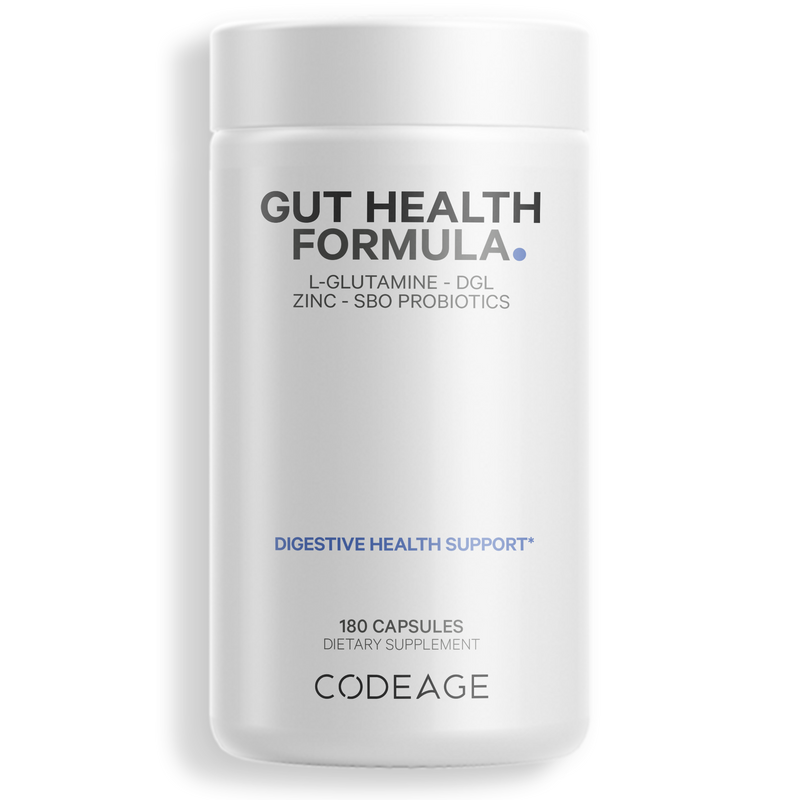
Fiber-rich options, particularly, promote normal digestive tract activities and nurture valuable intestine germs, boosting overall intestine feature. A growing digestive system is crucial for overall health and wellness, and intestine wellness supplements can play a substantial function in attaining this equilibrium. Furthermore, gut supplements might enhance the intestine barrier, possibly lessening the risk of food sensitivities and inflammatory problems (supplement for bloating). Routine physical activity contributes to digestive tract health by advertising effective digestion and minimizing stress, which can detrimentally influence gut feature. Certain foods can negatively affect intestine health and wellness, including processed sugars, artificial sugar, and high-fat milk products
Comments on “How to Combine Diet and a gut health supplement for Long-Term Gut Relief”